The Best Reseller Hosting Plans

Website hosting comes in all different shapes and sizes. Every website in existence needs to be hosted somewhere, so this makes sense.

If you’re a developer or have a web development agency, all of your clients need to have a suitable web hosting service. You can build web hosting costs into your existing client packages with reseller hosting plans.

Reseller hosting is great because the barrier to entry is far less complex than starting your own web hosting company from scratch.

You won’t need to worry about the hardware, resources, or other expensive costs associated with managing servers and hosting facilities. It’s a smart way for developers and agencies to earn some extra money from their existing clients.

What is reseller hosting?

Some of you may not have any experience with reseller hosting. So before we go any further, I want to make sure that we’re on the same page.

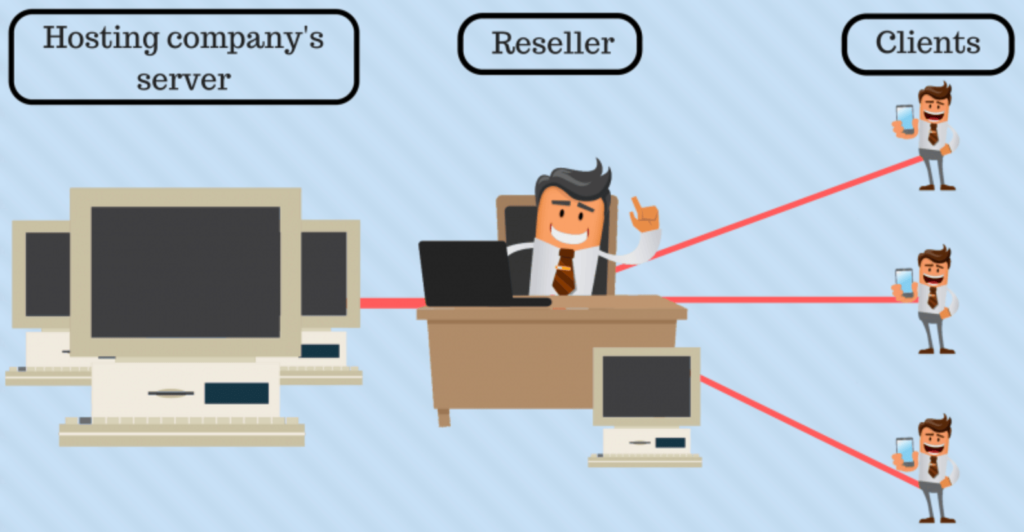
In a nutshell, reseller hosting makes it possible for you to sell web hosting to other people.

It’s essentially white label website hosting. You buy the service from a larger hosting company, and then resell that service to your clients.

The reseller focuses on marketing and sales while leaving all of the heavy-lifting to the larger hosting service.

With reseller hosting, you set the hosting prices for your clients. As long as the provider gets their monthly rate, the sky is the limit for what you can charge. Since you’ll be pay… Read More

Personal Branding: How to Successfully Build Your Brand

Do you want to build a personal brand? Wondering how to create a viable business around your personal brand? To explore what marketers need to know about building a personal brand, I interview Rory Vaden on the Social Media Marketing Podcast. Rory co-founded the Brand Builders Group and is the host of the Influential Personal Brand […]

The post Personal Branding: How to Successfully Build Your Brand appeared first on Social Media Marketing | Social Media Examiner.

Read More

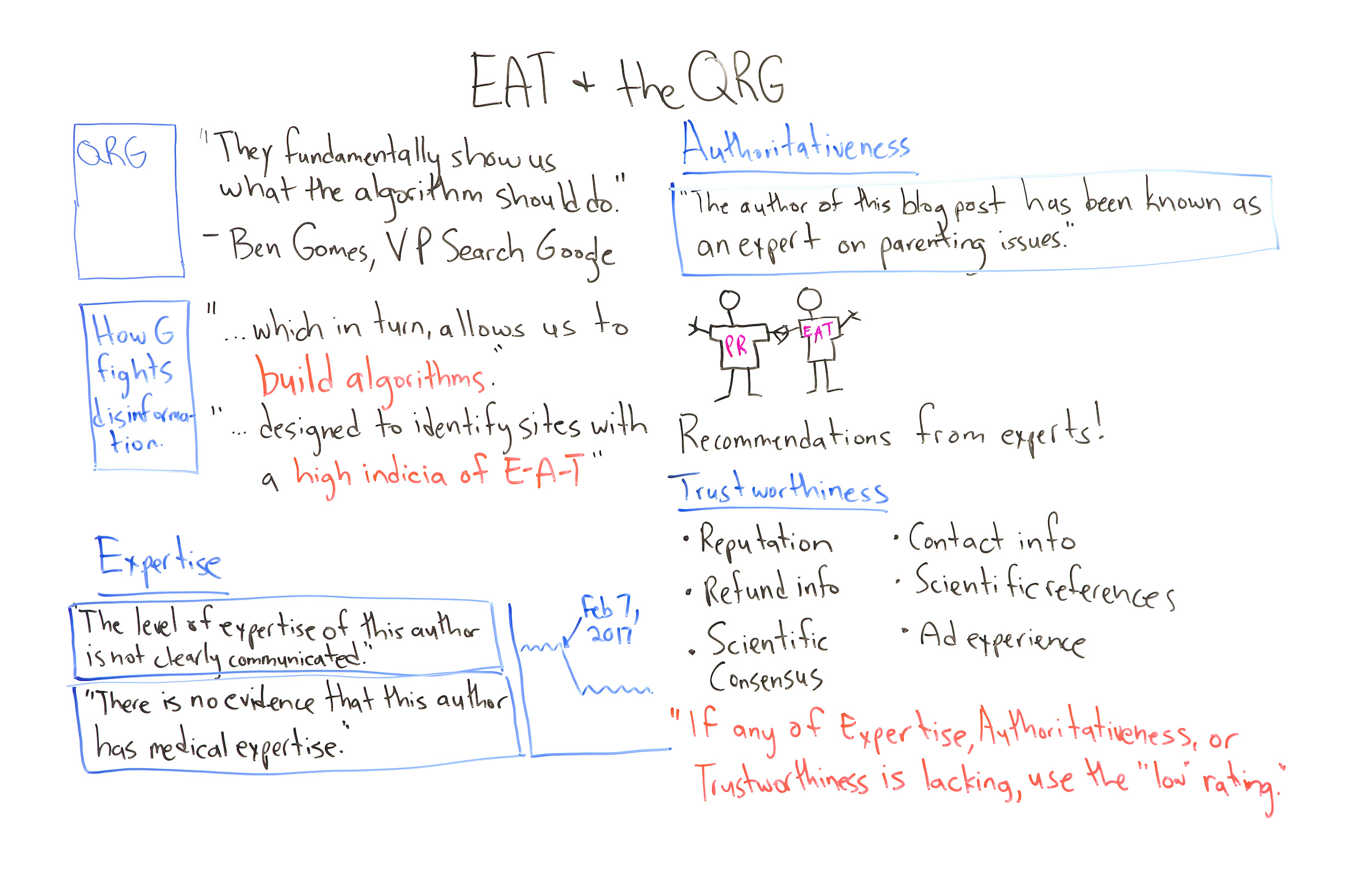
E-A-T and the Quality Raters’ Guidelines – Whiteboard Friday

Posted by MarieHaynes

EAT — also known as Expertise, Authoritativeness, and Trustworthiness — is a big deal when it comes to Google’s algorithms. But what exactly does this acronym entail, and why does it matter to your everyday work? In this bite-sized version of her full MozCon 2019 presentation, Marie Haynes describes exactly what E-A-T means and how it could have a make-or-break effect on your site.

Click on the whiteboard image above to open a high-resolution version in a new tab!

Video Transcription

Hey, Moz fans. My name is Marie Haynes, from Marie Haynes Consulting, and I’m going to talk to you today about EAT and the Quality Raters’ Guidelines. By now, you’ve probably heard of EAT. It’s a bit of a buzzword in SEO. I’m going to share with you why EAT is a big part of Google’s algorithms, how we can take advantage of this news, and also why it’s really, really important to all of us.

The Quality Raters’ Guidelines

Let’s talk about the Quality Raters’ Guidelines. These guidelines are a document that Google has provided to this whole army of quality raters. There are apparently 16,000 quality raters, and what they do is they use this document, the Quality Raters’ Guidelines, to determine whether websites are high quality or … Read More

An Agency Workflow for Google My Business Dead Ends

Posted by MiriamEllis

There are times when your digital marketing agency will find itself serving a local business with a need for which Google has made no apparent provisions. Unavailable categories for unusual businesses come instantly to mind, but scenarios can be more complex than this.

Client workflows can bog down as you worry over what to do, fearful of making a wrong move that could get a client’s listing suspended or adversely affect its rankings or traffic. If your agency has many employees, an entry-level SEO could be silently stuck on an issue, or even doing the wrong thing because they don’t know how or where to ask the right questions.

The best solution I know of consists of a combination of:

Client contracts that are radically honest about the nature of GoogleClient management that sets correct expectations about the nature of GoogleA documented process for seeking clarity when unusual client scenarios ariseAgency openness to experimentation, failure, and on-going learningRegular monitoring for new Google developments and changesA bit of grit

Let’s put the fear of often-murky, sometimes-unwieldy Google on the back burner for a few minutes and create a proactive process your team can use when hitting what feels like procedural dead end on the highways and byways of loc… Read More

How To Design Mobile Forms To Boost Conversions

Mobile devices are ubiquitous now.

People use them every day to book hotels, flight tickets, shop online and much more. No wonder there is a constant surge in the number of mobile users and it will increase with each passing year.

According to a report from Forrester’s Retail Wave, smartphones contributed retail purchases of USD $1 trillion in the US in 2018. Because of this, you must consider creating a mobile-friendly user experience so you don’t miss this potential audience.

Mobile forms are a key part of the conversion equation on phones. Be it an eCommerce checkout form or just a signup form. You don’t want users to abandon your website or app because of poor user experience.

In this article, I share a range of effective mobile form design tips that will help you drive more conversions on mobile devices.

#1. Understand the difference between the mobile and desktop UI

Before you design a form for mobile users, you must have an idea about the differences between the mobile and desktop user interface (UI).

Navigation

Here, users don’t have a large screen to scroll and navigate with a mouse. You need to consider touchscreen navigation to apply the proper size o… Read More