How to Reject Job Candidates

Rejecting job candidates is an inevitable part of an HR manager’s role, but it can be an uncomfortable and confronting experience for both the recruiter and the candidate.

For this reason, many recruiters leave the rejection until the very last possible moment, which only creates more disappointment and frustration for rejected candidates.

However, it is possible to soften the blow with unsuccessful candidates, and it all starts with creating a positive candidate experience from the get-go.

Let’s dive into just how you can make rejecting job candidates a more pleasant–or at least a less unpleasant–experience for both parties.

The Easy Parts of Rejecting Job Candidates

Although most will find rejecting job candidates tough at first, when you have a positive hiring process and a clear job description in place, rejecting applicants does become easier. That’s because you have clear-cut guidelines in place that you’ve communicated with the candidates from the get-go.

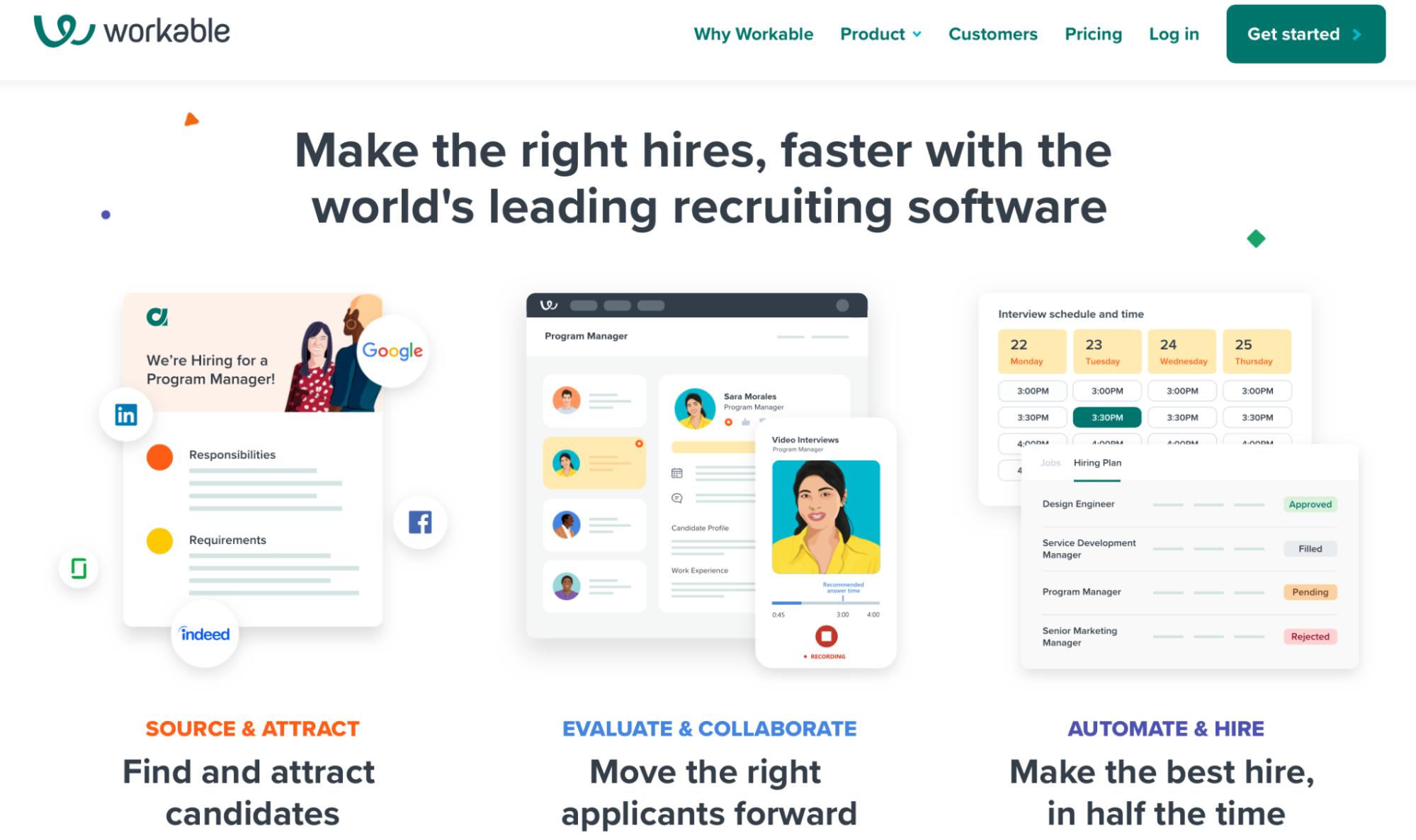
The key is to treat all applicants with respect, eliminate discrimination, and keep communication lines open. All of which you can achieve with a sophisticated recruiting tool like Workable.

Not only can Workable help to streamline your entire hiring process, but it will also help you to create a positive candidate experience right from the outset. You’ll attract high-level candidates with a branded careers page builder, keep lines of communicatio… Read More

The Beginners Guide to Human Resources Jobs

The importance of HR in a company is often underrated. It is one of the most critical departments because the tasks that fall under the category of HR are integral to every business. HR is a new employee’s first point of contact for the company, and every step that happens along the way, including promotions, salary changes, and more go through the HR department.

However, many people don’t fully understand what HR does. They may know that HR is responsible for hiring and firing employees, but beyond that, many people are hard-pressed to name other tasks that fall under the giant umbrella of human resources. To help clarify what HR is and provide you with some tools, tricks, and tips for human resources jobs, we’ve created this guide.

What Are HR Jobs?

As mentioned above, a job in human resources covers a lot of ground and is a crucial part of every company, no matter the size. For smaller companies, the HR department may be just one person. For bigger companies, HR is generally a team of people. If your budget allows, hire more than one HR professional since so many different tasks and responsibilities can be overwhelming for one person to handle.

HR departments serve the primary purpose of supporting the company and its employees. This allows everyone to do their job and lets the company run with little to no issues. The duties of an HR professional’s job include things such as:

Hiring
Budgets
Recruiting
Training new employees
Trackin… Read More

How to Influence C-Level Decision Makers in B2B Marketing

Connecting with a B2B company’s C-Level decision makers shortens the sales cycle and helps earn a fast profit, which is every salesperson’s objective.

C-level executives are the ultimate decision-makers, so it is important to schedule, implement, and master tactics that include selling to them.

In B2B marketing, about 64% of C-level executives are reportedly the final decision-makers.

As a result, the approach to C-level executives must be focused and precise to influence them and pique their interest in your product. What makes your approach and plan more targeted and influential is something to think about.

Stop stressing and start reading to get a better understanding of the situation.

10 Ways to influence C-Level decision-makers

Here are some of the most creative ways to keep C-level executives interested in your sales pitch.

1. Conduct extensive analysis

There is no better way to impress or influence company decision-makers than to conduct rigorous analysis. Needless to say, the whole marketing strategy you pitch to executives will be focused on the results of your investigation.

Understanding the market and the brand w… Read More

How to Create a Payroll Budget

Payroll is undoubtedly one of the most significant business expenses, typically accounting for roughly 20% of an organization’s expenses. Neglecting this critical line item can quickly lead to the cost of doing business spiraling out of control. With a fluctuating workforce, you don’t need a crystal ball to forecast your payroll expenses for the year. A payroll budget can help you anticipate your payroll expenses and give you a clearer picture of your general operating budget.

The Easy Parts of Payroll Budgeting

If you’re already dreading creating a complex spreadsheet, now is a good time to relax. In any case, according to a Market Watch report, nearly 90% of spreadsheets contain errors. You’ll be using spreadsheets sparingly, if at all.

While online payroll services are excellent for processing payroll, they sometimes lack robust budgeting features. For this reason, a dedicated budgeting and forecasting tool is the best option. These tools help you quickly and accurately create payroll budgets. They also integrate with your accounting software to make the entire process seamless and straightforward.

Another reason to choose a budgeting and forecasting tool is its wide application. Your payroll budget is likely only one part of your business’s master budget. Using a single tool to manage the entire business budget streamlines your efforts, reduces costs, and decreases the chances of making errors.

The Difficult Parts of P… Read More