The Top 21 Best Practices for Running a Successful Ecommerce Website

If your business sells tangible products, you need to have a strong online presence.

But with so much competition in the ecommerce space, it can be tough for you to establish your ground. Not only are you competing with local and regional brands, but you also have to deal with international giants such as Amazon and Walmart.

That’s why it’s important for you to focus on every detail of your ecommerce website.

Learn how to design a homepage that converts.

This guide is useful to everyone. Whether you are a brick and mortar retailer expanding into online business, a company that operates strictly through the Internet, or something in between, you’ll benefit from these tips.

It doesn’t matter whether you’re building a new website or making changes to your existing one.

Following these 21 best practices will help you increase conversions for your ecommerce store. You’ll also be able to generate more leads and add additional sales revenue to your bottom line.

1. Avoid clutter

Ecommerce websites with simple designs have higher conversion rates. Take a look at your homepage right now.

What’s the first thing a visitor sees?

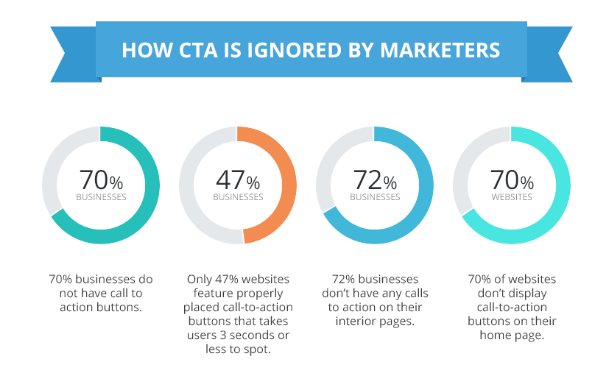
There should be a clear point of focus. The visitor’s eyes should be drawn straight to a CTA button or products you sell.

But too much clutter makes it difficult to identify your CTA.
Beginners Guide to Conversion Optimization

Traffic acquisition is only half the marketing equation.

In addition to bringing visitors to your website, you need to keep them there. Not only that, you need to transform them from interested prospects into customers.

Your website needs to move the relationship forward (and seal the deal).

And once they complete their first transactions? You need to convert your first-time visitors into repeat buyers.

Conversion rate optimization (CRO) provides a significant opportunity for businesses of any size.

It takes a scientific approach to optimizing websites and enables businesses (and organizations) to convert more visitors into subscribers or customers.

We wrote this guide to help anyone interested in conversion rate optimization learn how to get started and how to get the best possible results with their testing program.

This guide is for entrepreneurs, founders, marketers, bloggers, and anyone else who would like to improve conversion rates on their website.

You’ll find the guide useful for many different types of organizations, including eCommerce stores, SaaS businesses, non-profit organizations, political campaigns, and more.

Conversion optimization isn’t rocket science. In many ways, it’s common sense. But you need to actively think about what you’re doing and know the best practices.

That is where this guide comes in.  Let’s get started.

What Is Conversion Rate Optimization?… Read More

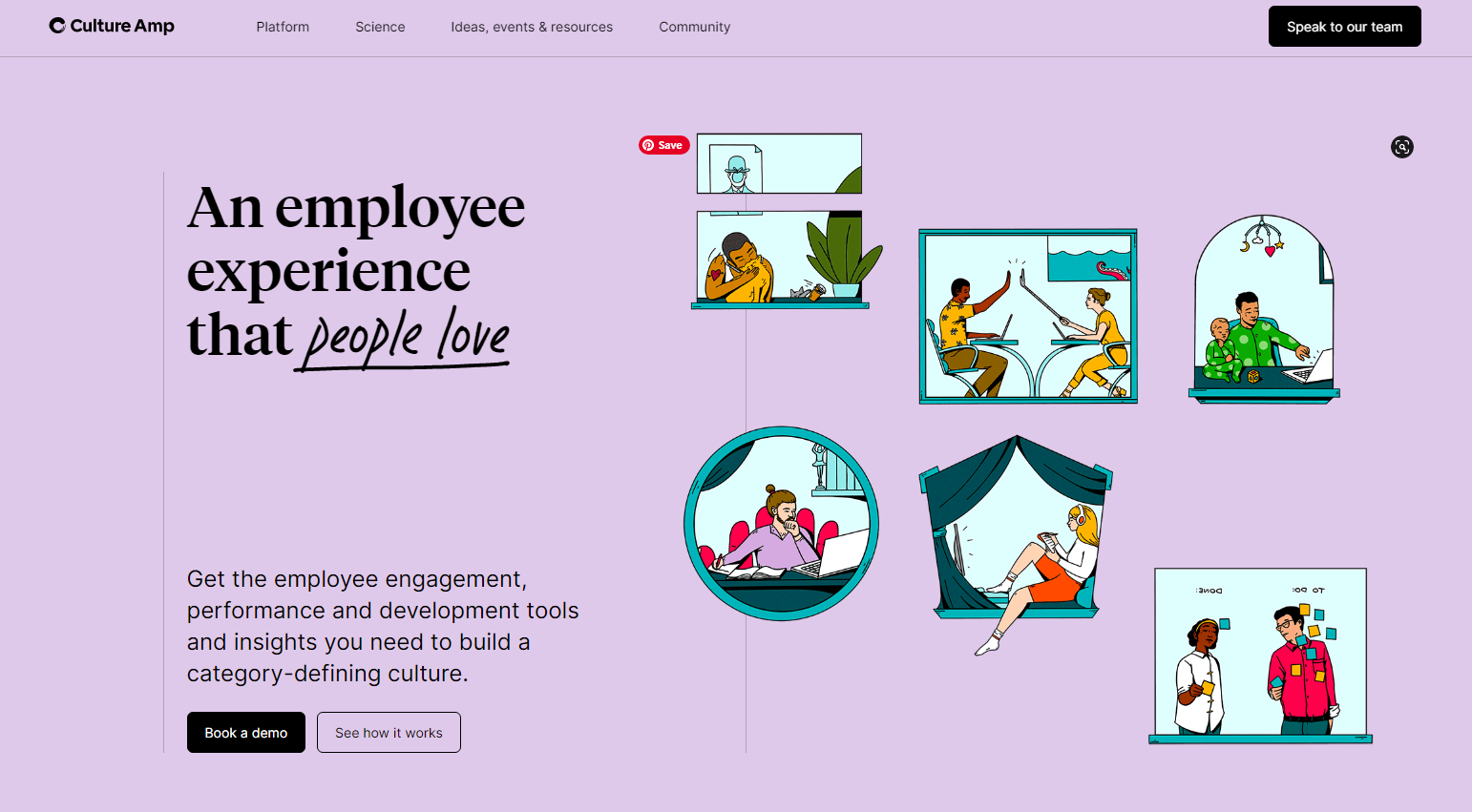
The Beginner’s Guide to Company Culture

When you hear “company culture,” it’s easy to picture office snacks and free kombucha on Fridays. Unsurprisingly, there’s much more to company culture than meets the eye. The issue? It’s notoriously difficult to create and maintain. This guide will walk you through the basics of company culture and specific strategies and tools you can use to establish a culture that drives growth.

What is Company Culture?

Shared goals, attitudes, actions, and values are what define a company’s culture. It helps to think of it as the soul and personality of a business. It doesn’t matter if you run a business of two or are the head of an organization 5,000 strong—company culture is a big differentiator for any business that plans to be around for a long time.

Depending on how it’s managed, company culture can play a decisive role in the ultimate success or failure of a business—which is why it’s so essential that companies spend time thinking deeply about getting it right.

In many cases, company culture is a driving factor behind employee retention.

The Basics of Company Culture

Before we get into ways to improve company culture, it’s important to understand some of the basic puzzle pieces that come together to create it.

A Clear Mission and Vision

Due to the impressive list of benefits that an organization’s culture can bring, focusing on creating and establishing a healthy company culture is an intelligent long-term bus… Read More

Complete Guide to Landing Pages

A landing page, simply put, is any page that gets traffic from anywhere other than the same pages on your site — hence the name landing.

It’s most commonly associated with pay-per-click ads like Google Adwords, where you can drive traffic to a specific URL that has been designed to receive those visitors.

The problem with most landing pages is that they’re created around broad categories like “jeans” instead of being more specifically focused like “women’s skinny jeans” or “juniors boot-cut jeans”.

These days, people intuitively understand that when searching the web, the site whose description most closely matches their search is likely to be the winner.

And when you’re paying for clicks — you’re losing money every time a customer goes elsewhere.

Does Keyword Relevancy Matter?

You may think that once you’ve caught the user’s attention (and their click) with a highly targeted ad — that your job is done.

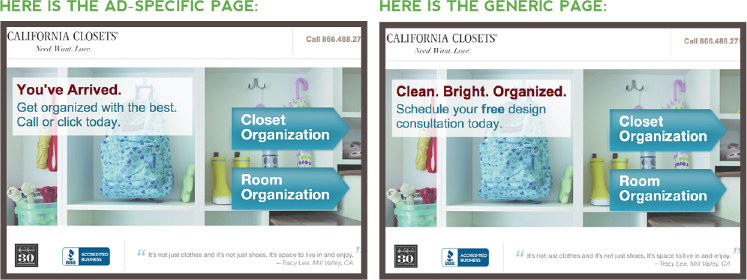
Retailer California Closets wanted to test this theory out for themselves.

Would an ad-specific landing page outperform a more generic one?

Although it’s unclear what the original ad text was, one could theorize that it was “get organized” — which then leads people directly into the site with organization tips and products.

The ad-specific… Read More

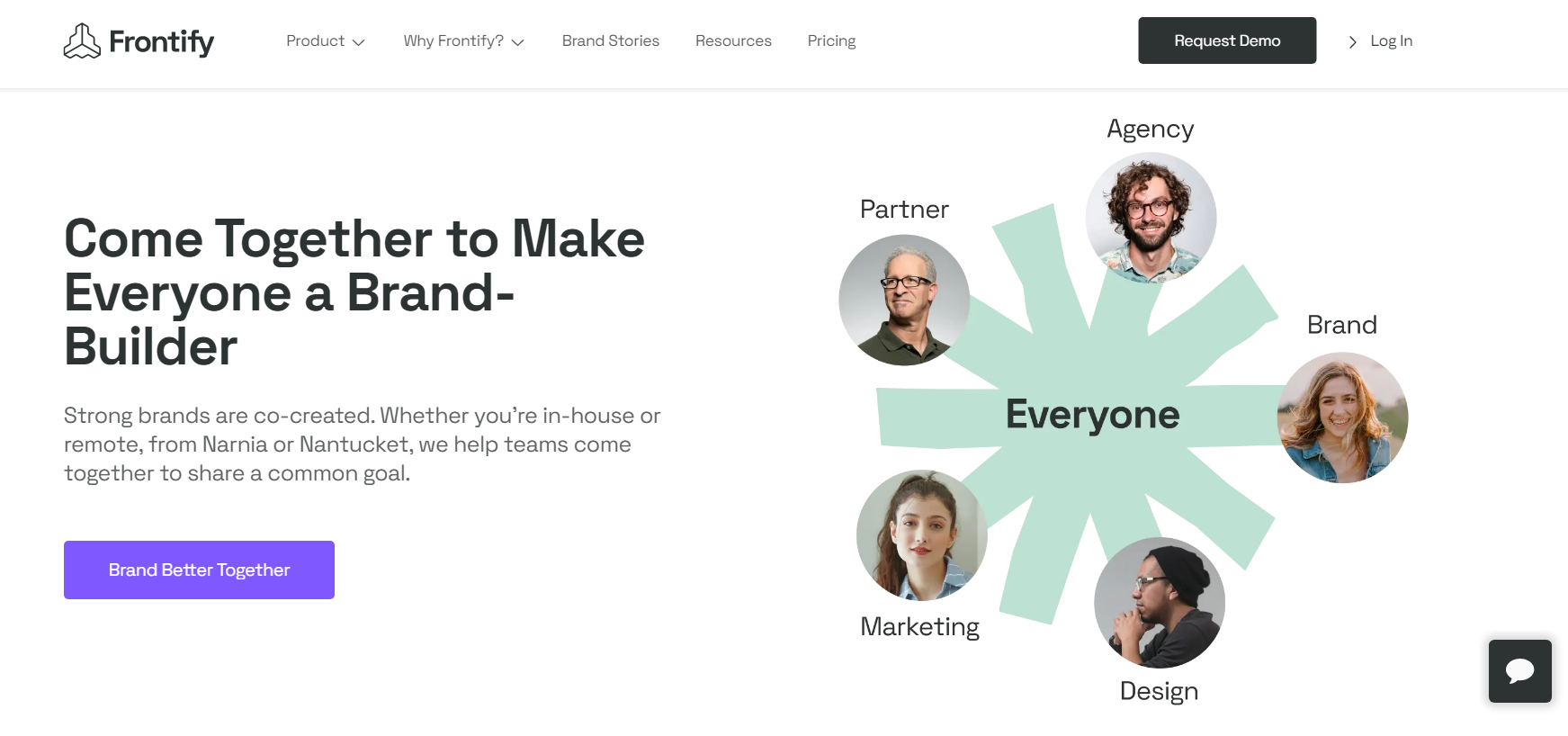
The Beginner’s Guide to Brand Identity

A brand’s identity is all the components coming together to create your business’ image—name, colors, logos, and design. The problem is not quite knowing how to put all those elements together to project the brand image you want into the minds of your customers. Thankfully, this guide exists. We dive deeper into brand identity to give you the building blocks you need to create yours.

What is Brand Identity?

Brand identity is the name we give to all the tangible components that come together to help a business create an image of themselves in the minds of their consumers. This can include brand colors, the design style a brand uses through all its product packaging, the combination of colors usedc in advertising and logos, and even the typography used to display unique messaging. With a carefully crafted brand identity, a business can set itself apart from its competitors, grow its influence, and ultimately generate revenue.

The Basics of Brand Identity

Before we get into some solid tools that can help you through the process of building your brand identity, it’s crucial to understand the key elements that come together to create it. While the components of a brand’s identity are tangible, the elements that make a brand identity successful are more abstract.

Choosing Your Brand Identity Elements

You can’t do much with a brand identity if you haven’t at least picked out the basics.

What’s your brand logo, and how will it be us… Read More