How to Start a Business With No Money

It’s 2021, and starting a business when you don’t have any money is genuinely possible.

Going from idea to startup is incredibly cheap and convenient today, and you can build something of value and reach a large group of potential customers easily.

But before you think the entrepreneurial path is a bed of roses, let me make one thing clear: It isn’t.

Launching a business with no money isn’t the same as starting without resources. In fact, the better resources you have, the less money you’ll need to become an entrepreneur.

Precisely why you must learn the best ways to leverage your resources—intelligence, imagination, experience, social circle, time, and determination—to grow your business.

The Easy Parts of Starting a Business With No Money

The best thing about starting a business with no money is that it isn’t a fantasy!

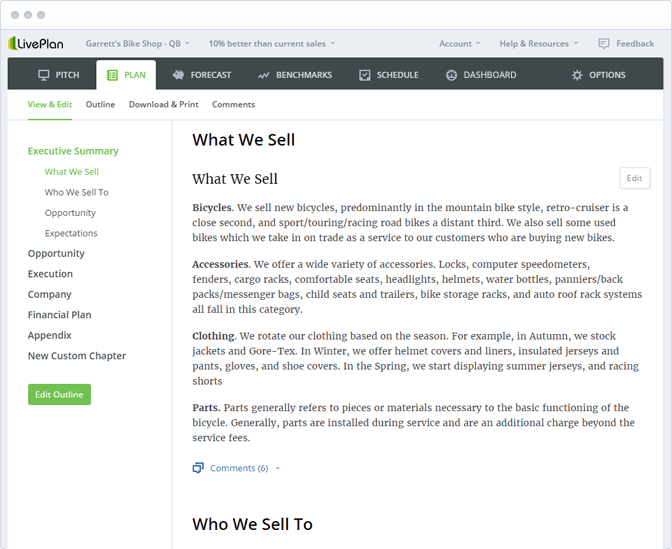
You’ll find thousands of companies offering freemiums and basic services for all kinds of things, ranging from business formation to website building to business templates. Having access to all these advanced tools and software is another thing we should be thankful for.

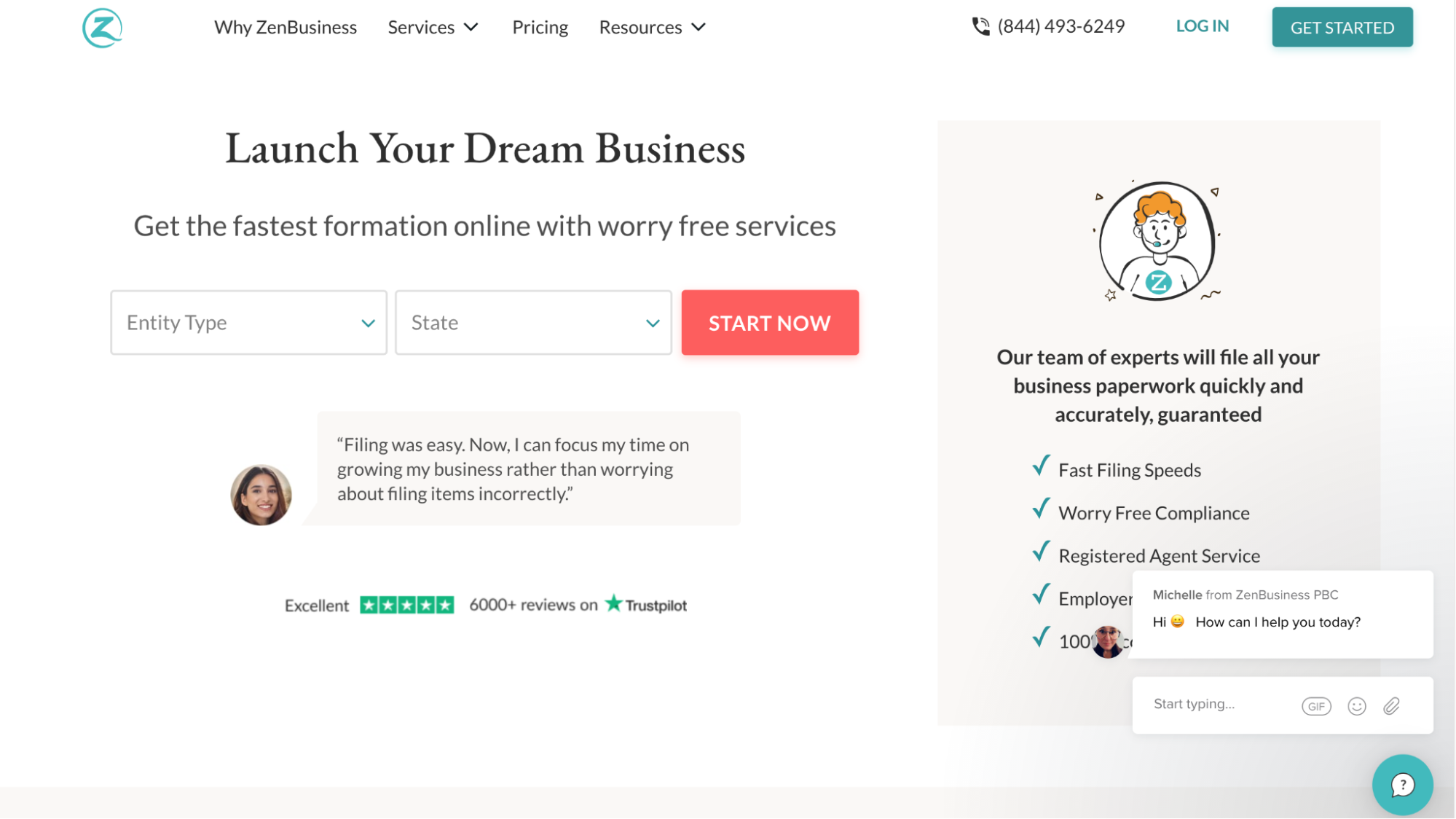
Let’s take a business formation service, for example. These companies do every aspect of registering and launching a business, such as offering legal advice, filing paperwork, and maintaining documents. You can rest easy knowing experts are handling your job—at a feasible rate.

You may not have mon… Read More
The Beginner’s Guide to Business Structure

Building a business can be incredibly exciting—until you hit the legal part.

When you start a business, you have to make the monumental decision of selecting a business structure. This is where you decide the type of legal structure you want for your company, which also determines the tax you pay and how you pay it.

It’ll affect the amount of paperwork your business needs to do, the extent of your liability, and your ability to raise money.

The good news is you don’t need an MBA to understand this. Things are very straightforward when explained correctly. Read on as I decode common business structure basics, along with a few useful tools and tips to set you up for success.

What is a Business Structure?

A business of structure indicates an organization‘s structure as it is recognized in a given jurisdiction.

Choosing a business structure creates a legal recognition for your trade, where it becomes a key determinant of the activities your business can undertake, including raising capital, paying taxes, and the responsibility for the business’s obligations.

Your business structure trickles down to several factors that are part and parcel of running a business. In addition to enlightening the legal documentation you need, it also clarifies the amount of taxes your organization owes to tax agencies. More importantly, it decides the extent of your liabilities on behalf of the business.

Precisely why before choosing your… Read More

The Best Project Management Software

Want to jump straight to the answer? The best project management software for most people is definitely Zoho Projects.

Project management software helps your team stay organized and productive.

It’s the difference between a team that crushes all of its goals and objectives—and one that doesn’t really get anything done.

Not every project management tool is the same.

Some solutions are intended for large teams with complex projects, others are ideal for small teams and simple projects, and the rest fall somewhere in between.

No matter what type of projects you’re managing, this guide will help you find the best project management software for your needs.

The Top 8 Best Project Management Software

Zoho Projects – Best overall project management software
Wrike – Best for marketing and creative teams
Favro – Best for small teams doing it all
Teamwork – Best for remote teams and agencies
Trello – Best free project management software
TeamGantt – Best project management software for beginners
LiquidPlanner – Best for complex projects
Celoxis – Best for enterprises and large businesses

After hours of research, I’ve narrowed it down to these seven options.

Here’s an in-depth review of each one:

#1 – Zoho Projects — The Best Overall Project Management Software

LLC Vs. Corporation: Pros and Cons

Choosing the right entity type for your business is one of the most important decisions you’ll make when starting a company. This choice will impact how your company is run, how the profits are shared, how you pay taxes, and so much more.

Many business owners and investors find themselves deciding between two options—LLC or corporation.

But which one is right for you and your business?

This guide will take a closer look at the similarities and key differences between LLCs and corporations. We’ll also highlight the pros and cons to help you compare your options and make an informed decision.

What is an LLC?

A limited liability company—or LLC—is a legal business entity formed at the state level. This business structure provides personal liability protection to owners (hence the name) while simultaneously offering the pass-through taxation benefits of a sole proprietorship.

In terms of ownership, management structure, and taxation, LLCs are extremely flexible. One or more people can own an LLC, and the owners are known as “members.”

When an LLC is formed, the acronym (or an accepted alternative) is included in your official business name (e.g., Joe’s Flower Shop LLC, Joe’s Flower Shop Ltd, Joe’s Flower Shop Limited Liability Co., etc.).

Types of LLCs

Not every LLC is the same. There are several different types of LLCs that you can form, based on factors like ownership, location, profession, and more.

Si… Read More

Top 10 SaaS Trends for 2021 That Will Disrupt the Industry

Software-as-a-service (SaaS) is taking the technology industry by storm. As new startups emerge, the need for better software and newer technologies also rises. Companies today are no longer relying on software that needs to be maintained and installed separately. This is the reason why SaaS products are thriving.

SaaS eliminates the need for locally installed and managed software. Thus, creating a cloud environment where the software is hosted and can be used with a subscription.

SaaS has revolutionized the work of development companies as it has dramatically decreased costs. Plus, there is less time spent on maintenance and other such activities while using SaaS solutions.

As people adapt to working remotely, there is an increase in the demand for SaaS products. Moreover, setting up and installing software on remote systems can be tiring work for the IT team of any company.

Experts predict that this is just the start of SaaS products, and a lot more will happen in the industry as SaaS expands its horizons. While working in an industry that changes rapidly, it is important to be informed about the latest trends in the SaaS world. Here are 10 of them.

#1. Micro-SaaS

Read More